19 July 2010

Witcombe Monday.

The plan is - weather and hectic social life permitting - to visit Witcombe Reservoirs every Monday evening to see what's there.

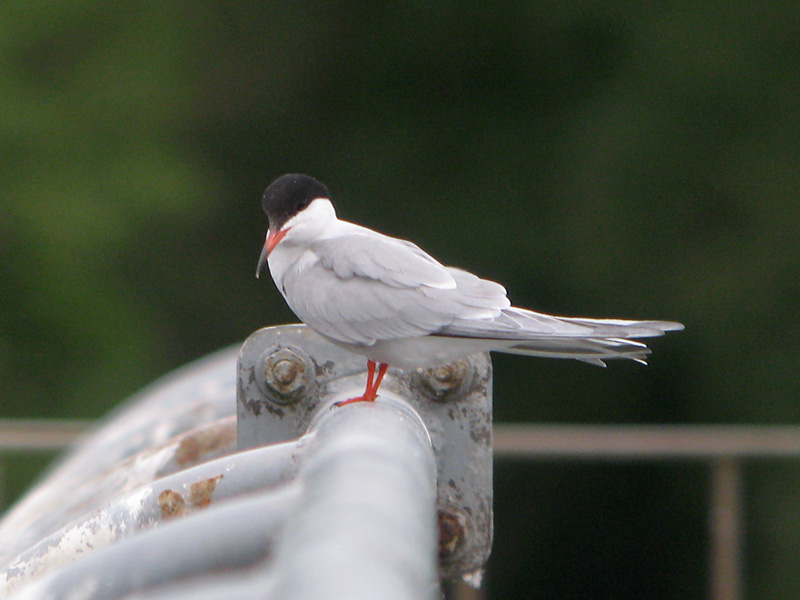
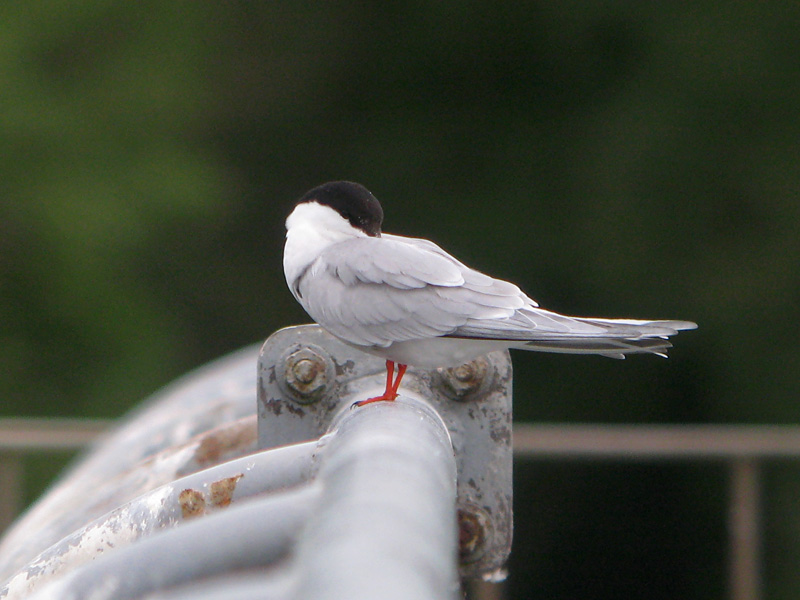
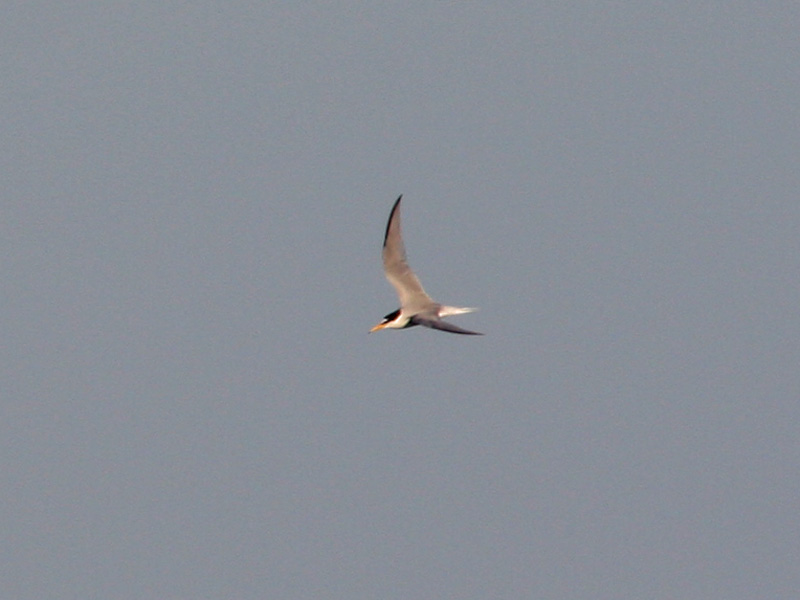
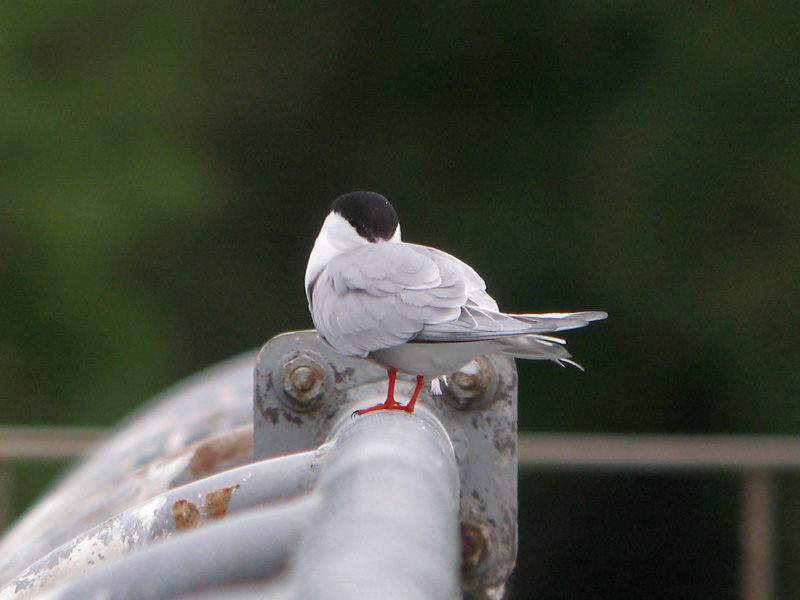
Tonight, a very confiding Common Tern. The first unexpected bird at the site (save the Osprey) since the Common Sandpipers earlier in the year. It spent some time fishing - coming really close - eventually coming to rest on the near gantry allowing me to get within 10 yards. Hence the half-decent photographs.


18 July 2010

Turtle Dove.

A late afternoon trip to Ruardean Hill produced one Turtle Dove. I parked the car about a hundred yards down the road from the phone box, and within five minutes heard one purring. A choice sound indeed, and one I don't hear often enough. I located the approximate source - a large tree - and waited it out. After five minutes I spotted the bird perched on an inner branch. A great, full on view. I only had my binoculars to hand, so decided to go back to the car for my scope. Perhaps a photo was possible. I returned to the tree just as it flew out of site. Still, a nice and easy tick. Most welcome.

An hour later - from Nagshead's Lower Hide - about a million Blue Tits, a couple of young Jays and briefly a Redstart. Of course, no Pied Flycatchers (still can't believe my misfortune there). Gonna need a good bird to make up for that lost tick...

Earlier in the day there had been one Common Tern over the Sailing Lake, the two ex-breeding plumage Ruffs on the WWT's South Lake (really only hints of former splendour, but the closest I've got to the full monty thus far), and c.12 Little Ringed Plover from the Holden Tower. It was the first time I've seen their young birds.

165 for the year now. If I could crack 200 I'd be very pleased.

14 July 2010

Another List Check.

Just realised that I can chalk Spotted Redshank off the 2010 'to see' list. Still remaining:

Barn Owl
Brambling
Common Scoter
Dipper
Firecrest
Glossy Ibis
Grasshopper Warbler
Grey Partridge
Hen Harrier
Jack Snipe
Lesser Spotted Woodpecker
Little Owl
Merlin
Pied Flycatcher
Redpoll
Ring Ouzel
Turtle Dove
Woodlark
Yellow Wagtail

10 July 2010

Gull-billed Tern.

If at first you don't succeed, try again. Or at least, if you have the opportunity for a free trip back to Devon a week after dipping, try again. So it was that I got my second crack at seeing the long staying Gull-billed Tern. Family were going down to visit other family in Exmouth, so I was dropped off at Exton railway station at c. 9.30am.

A splendid vantage point over the estuary - and it was about. I'd just missed it on arrival; a train had come and gone meaning the scopes that were trained on it had to refind it. Thirty minutes later it was pinned down half way across the estuary feeding on insects. Although distant, the fact that it was feeding made for excellent views as it double back on itself to dive down towards the mud over and over again. Grey rump just visible. Controlled, confident wing beats. Always a pleasure to watch a Tern in action.

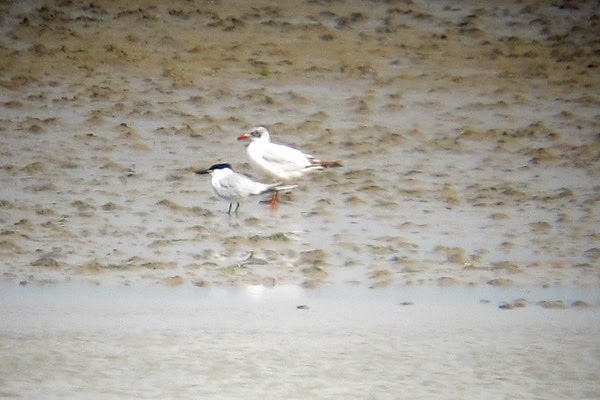
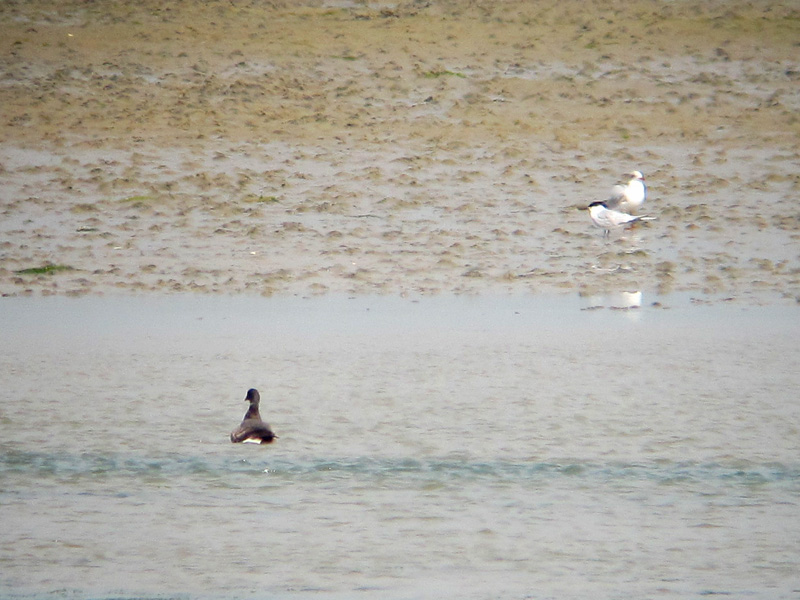
For about two hours (trains permitting) the Tern performed... only settling down onto the mud a couple of times. It was far too far away for photos, so I tried anyway. The results made it clear the bird was far too far away for photos - recognisable only as a Tern:


(Never mind. I know what it is!)

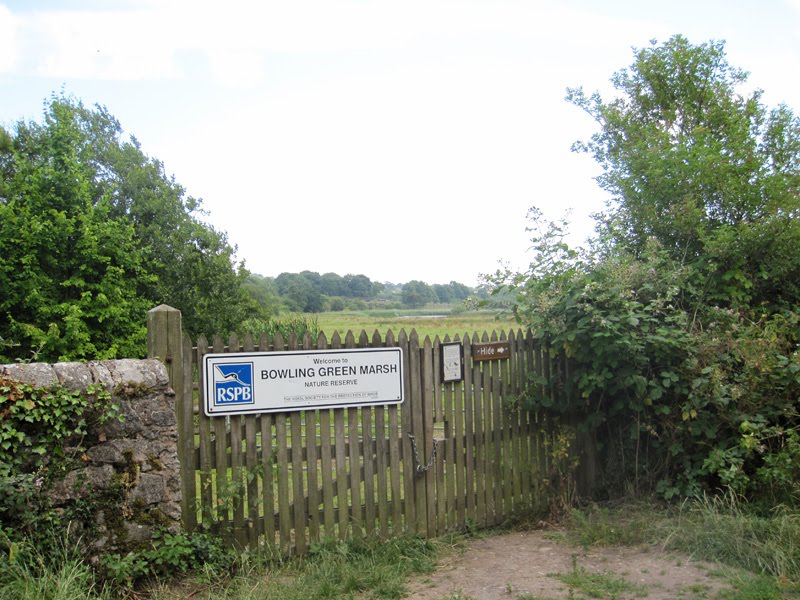
I then took the train up to Topsham, and onto Bowling Green Marsh RSPB.


As it was quite near low tide this was not worth the time spent in the hide.

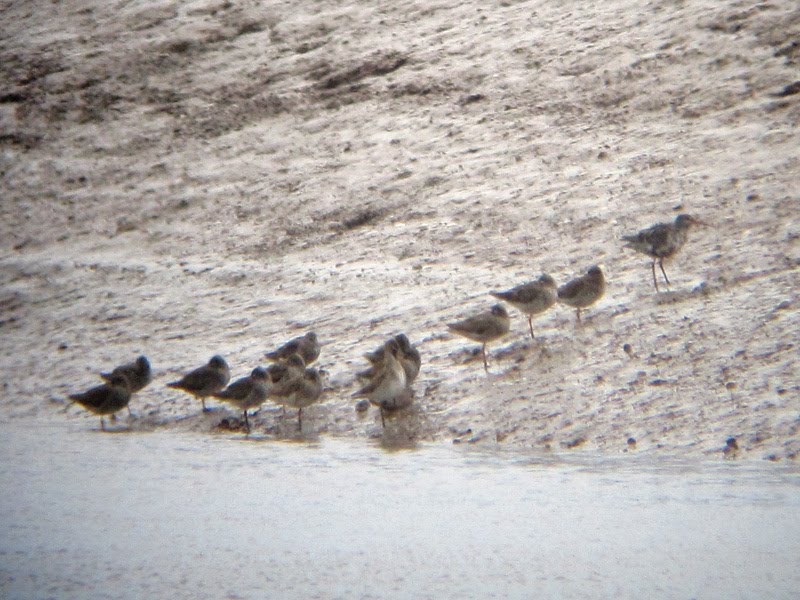
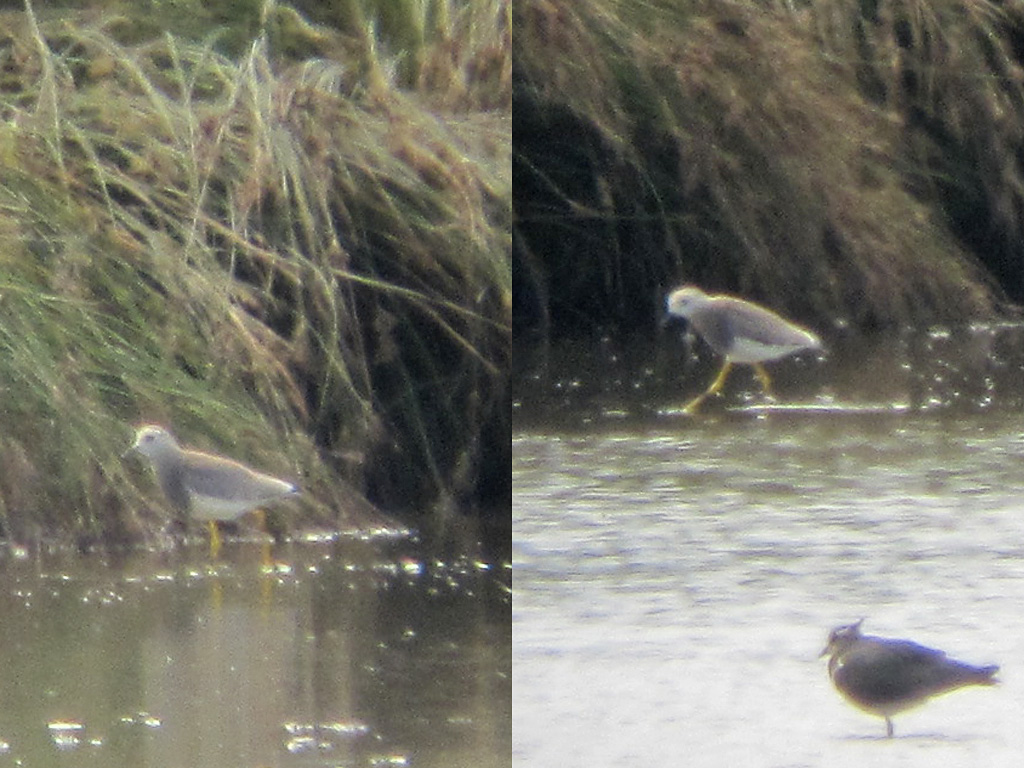
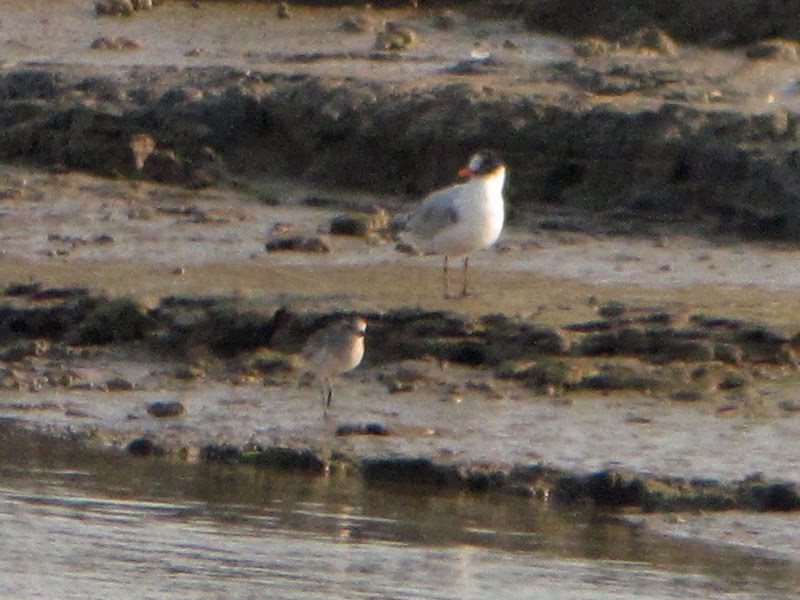
From the viewing platform - in the strengthening wind - things were a little better. Just separate from a group of about 15 Redshank, at the waters edge infront of the viewing platform, was a Spotted Redshank. Hoorah! I was starting to think I'd go the whole year without seeing one! The bird was moulting back to winter plumage from its summer plumage. Legs were still black, and the wings still retained the white speckles set against black, but the breast was mostly white. I would see a couple of other Spotted Redshanks later in the day, but I 'photographed' this one as it was the year tick bird:


I walked back to Topsham railway station via the Goat Walk, and took the train all the way down to Exmouth for my sea front rendezvous with the family. Along the way I checked every large gathering of Gulls for either Yellow-legged or Mediterranean. Alas no luck.

We left Exmouth at about 7.00pm, making one last stop at the Bowling Green Marsh hide / viewing platform. birdguides had reported the Gull-billed Tern on the flashes (from the hide) at 5.00pm, and it seemed foolish to not have a look. After all it was still high tide. There was lots from the hide - Grey Herons, Little Egrets, Redshank, Spotted Redshank, Green Sandpipers, Black-tailed Godwits - but no target birds. From the viewing platform, and being high tide, the Gulls and waders were peppering the edge of the vegetation.

Nothing new to see though, and so the drive back to Gloucester began.

Not one bird of prey seen today.

09 July 2010

White-tailed Plover.

I'd considered going up to Liverpool to see it - and a trip across to Rainham Marshes RSPB didn't seem too ambitious. But when - at about midday - the news came through the bird was at WWT Slimbridge... half an hour away... I took an impromptu half day from work, dropped everything and made tracks.

I arrived at 1330hrs, and to my relief the bird was still present. The Zeiss hide was busy even then, but as the afternoon wore on it became VERY busy indeed. Just getting one's scope positioned correctly was hard enough! I'm glad I made the effort to see it today rather than hoping it stuck around until tomorrow. Not only do I think the chances of a long stay are slim (the bird does seem to be on something of a Magical Mystery Tour), but it will be hell in that hide tomorrow.

Top New Piece. The Plover was feeding on the far side of the water from the Zeiss hide. It was distant, but a zoom of 40x was sufficient to get decent views. The heat haze made getting a steady view difficult but as time passed the Sun spent more time hidden behind clouds and consequently the bird came into much better focus. By 1515hrs I was very pleased indeed. Of course, I would've liked it to come closer to the hide but ultimately this was not necessary for very satisfactory views.

A couple of times it flapped its wings, one preening session, two periods spent sat down in the water, and a heck of a lot of feeding.

What a bloody bird. Number 162 for the year.


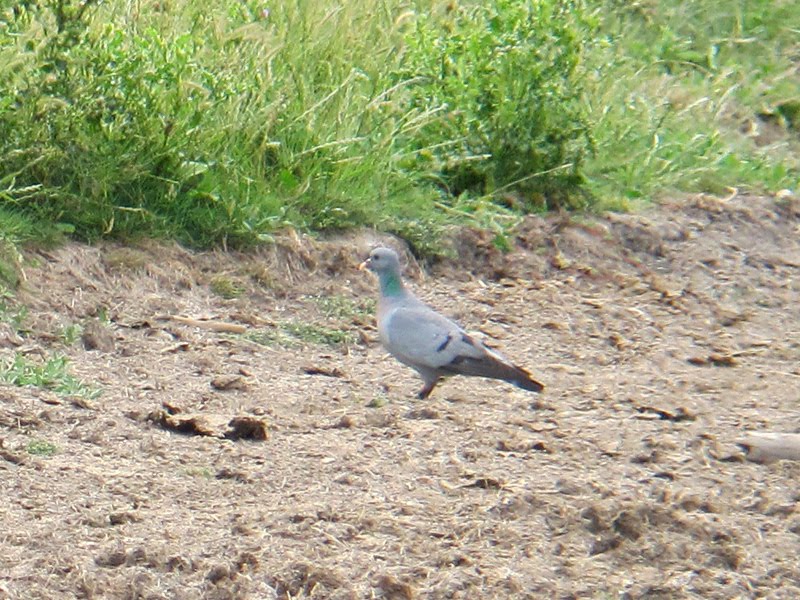
I had a half-hearted look around the other hides. More Green Sandpipers than you could shake a stick at, but nothing that stood out. A couple of Stock Doves showed well from the Holden Tower at about 1600hrs.

05 July 2010

Heron Family.

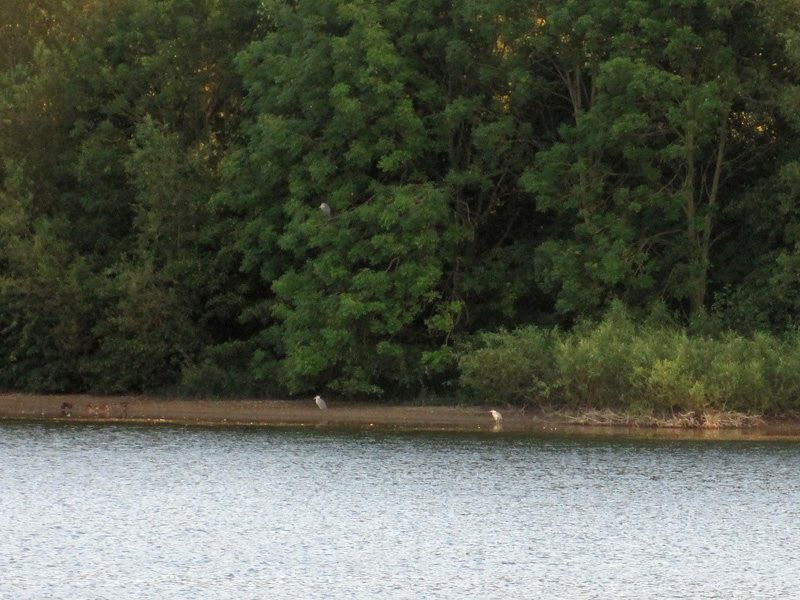
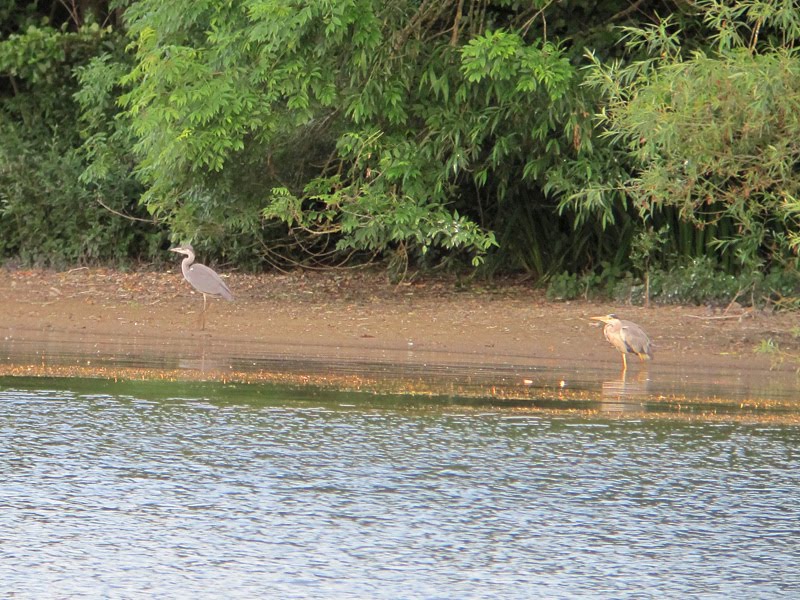
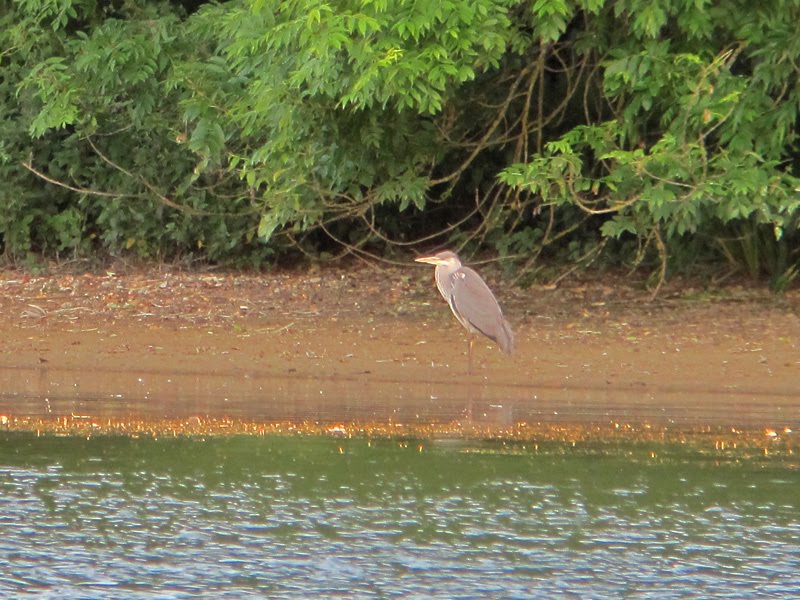
A trip to Witcombe Reservoir on a lovely still evening produced nothing remarkable. Lovely close views of Swallows pecking around aside (legs barely long enough to stop their tails and wingtips dragging on the ground), the only highlight was a family of Grey Herons. Two adults, and three youngsters. Zoooooooooooom:


04 July 2010

Little Bittern.

After a long spell with no birding to speak of, the lure of the Little Bittern at Ham Wall / Walton Heath proved too much on a decent but windy Sunday morning.

Arrival at the site was later than hoped for, but no later tham 8.00am. A number of others were about too - no doubt prompted by the decent number of recent sightings over Walton Heath.

The only game available was the waiting game, and at 10.15am-ish the bird was spotted very briefly indeed by someone who happened to have their scope pointing in the right direction at the right time. Nobody else caught it. Twenty-five minutes later the same thing happened; the briefest of brief appearances above the reeds. I caught movement in my bins, but nothing more. It was moving so fast. For some reason it hadn't occured to me that this bird would be a sharp-shooter. I thought Heron = slow moving. Of course this is nonsense, a Little Bittern should move quickly.

Technically this glimpse of movement was enough for a tick - but it would've been an empty tick and I wanted more than that... I wanted to see it properly. At 11.00am the bird obliged. Hot off the heels of a Marsh Harrier showing well, it finally rose above the reeds for an extended flight. Everyone got a great view. A spankingly smart male bird flying at away from us at a gentle angle - so only the head was hard to see. A definite result, a great lifer and a hugely satisfying tick. The same bird had eluded me last year, and I'd also spent many an hour at the Porth Hellick hide on Scilly not seeing one.

Job done.

I knew about the Gull-billed Tern at Bowling Green Marsh RSPB. I wasn't going to go for it. However people started talking about it as their next bird for the day... and I couldn't resist. So off to Topsham I went.

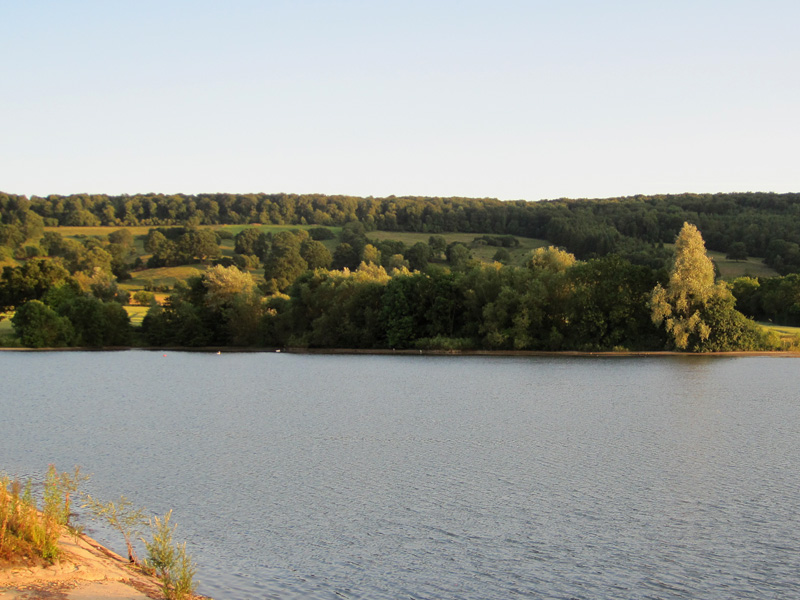
At the hide many were gathered after sightings all morning, but come 1.00pm the bird had apparantly flown down river. Drat. There were many Black-tailed Godwits, a few Oystercatchers, Little Egrets, but the Tern was definitely not hidden amongst the throng of Black-headed Gulls. Presently a Crow spooked the Gulls, which triggered an exodus down river towards the estuary (the tide was on it's way out). I - and many others - followed to the estuary viewing platform. Nothing but the same birds transplanted from the Marsh. The only point of interest was one Mediterranean Gull (second winter) separate from the main Gull flock.

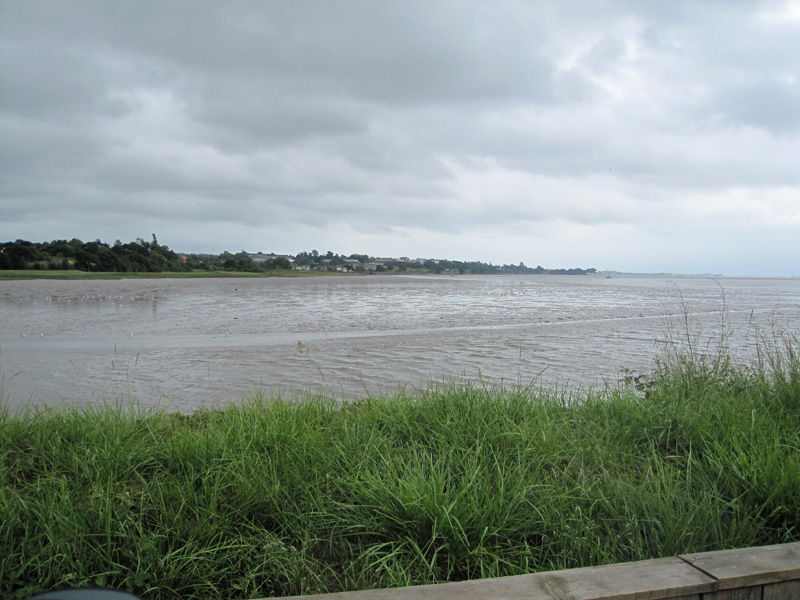
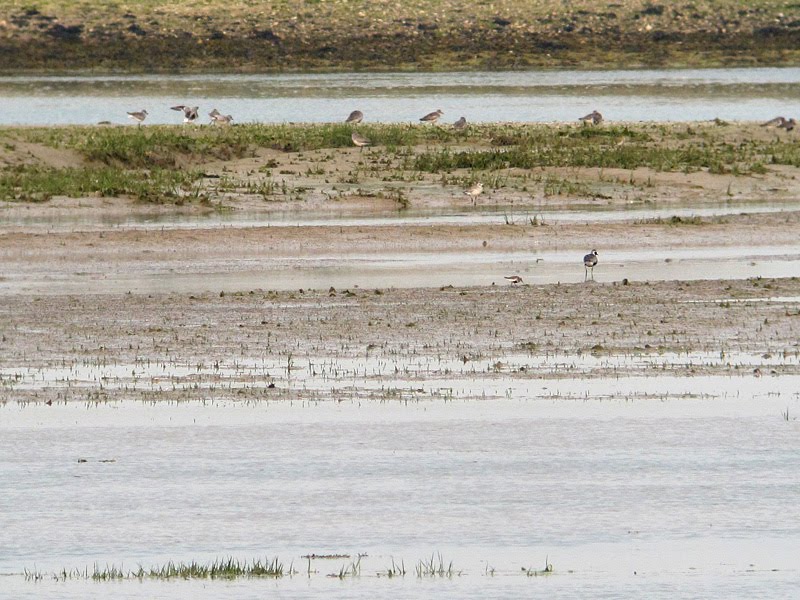
The view from the platform:


So... I got the Little Bittern (the bird I originally went for), but dipped on the Tern. Could be worse!

07 June 2010

Pagham.

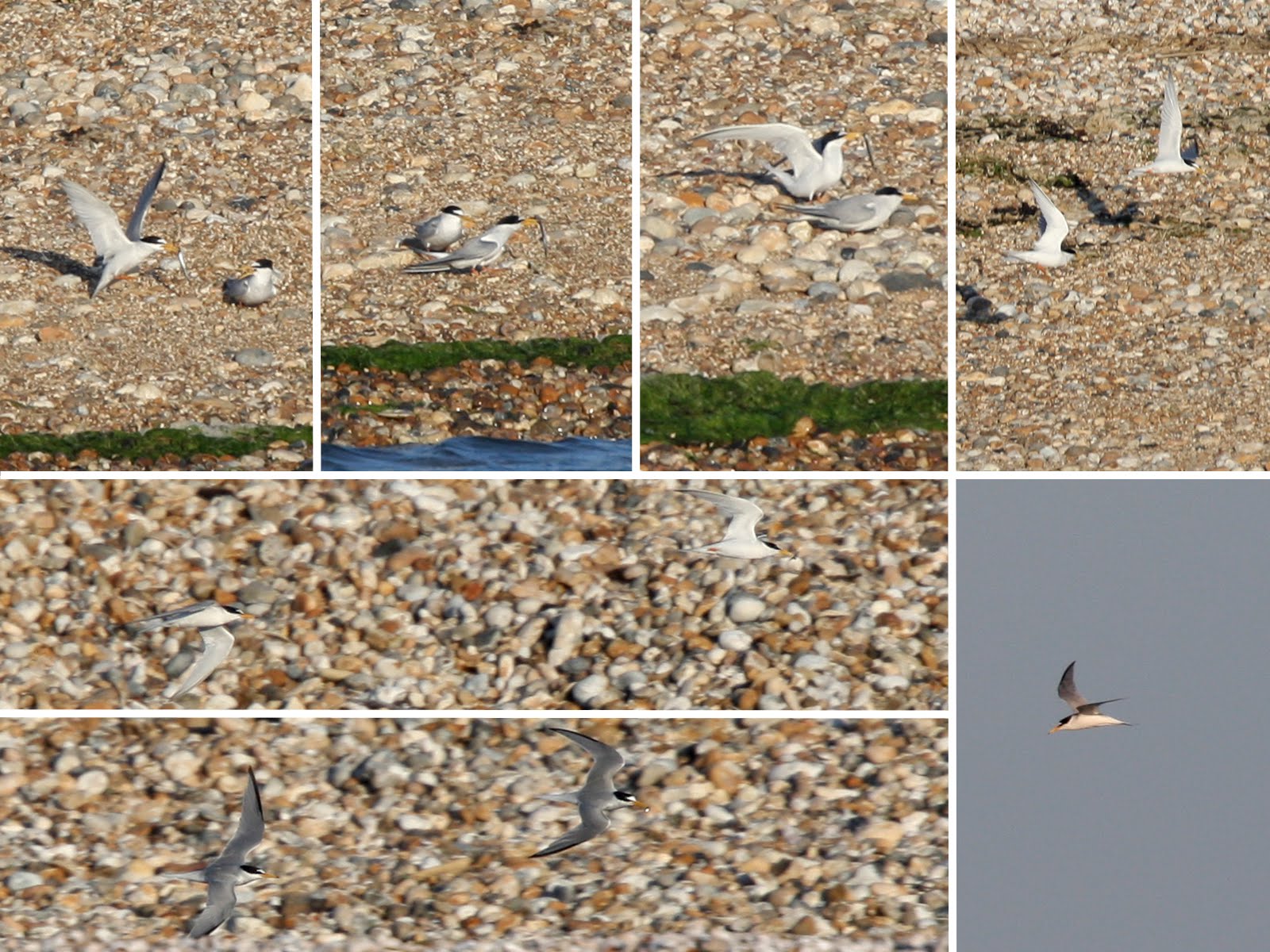
A weekend down in Pagham promised much, and delivered a satisfactory amount. Arrived on Friday evening, and in the gloom clocked my first ever Little Terns feeding along the shore.


I came back on Saturday morning to get views of the Terns in good light (tens of them), and was pleased to spot more than a few Sandwich Terns about too. The Little Terns, even smaller than I'd expected them to be, were busy catching food. They really were hovering and diving more frequently than other Terns I've seen. The most interesting behaviour, though, was when two adult birds landed together on the shingle and one offered a caught fish to the other. Felt like some sort of mating ritual.

Anyway, over the weekend we took some very long distance shots of the Little Terns with the telephoto. The photographs are not mine, but belong to a member of my party. Given control of the camera equipment I would've had more patience than them and waited for the birds to come in closer. Still... to me they still represent a valuable record.


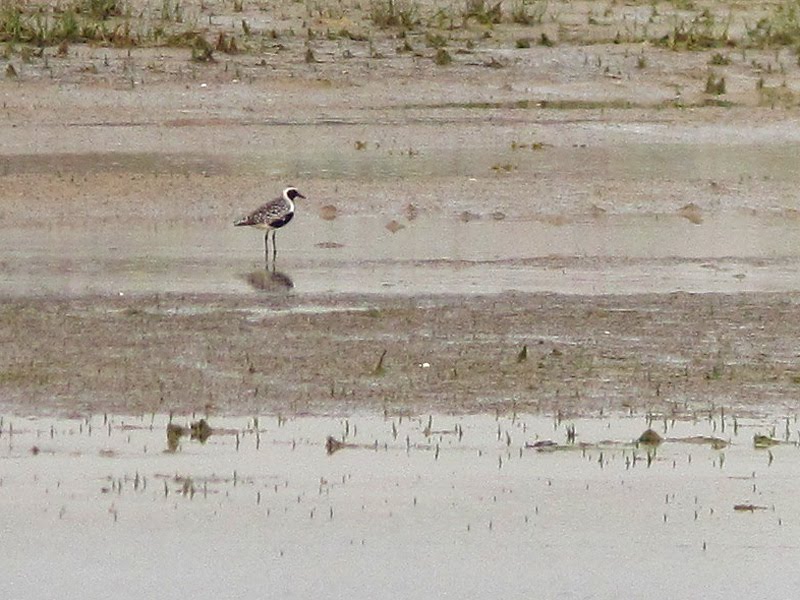
From the hide at the harbour mouth (next to the car park with board walks down onto the beach) there were tens of Greenfinch, Skylark, Linnets... some Swallows and Swifts... the occasional House Martin. On the mud were many Ringed Plovers, Dunlin in breeding plumage, a sole Grey Plover, many Little Egrets, Great Crested Grebes, Curlew, Cormorants nesting, Greater Black-backed Gulls nesting (also Herring Gulls), a pale phase Brent Goose, Oystercatchers, and one first summer Mediterranean Gull.


Plus the ubiquitous hordes of Shelduck.

It was great to see the breeding Gull colonies. For waders you have to catch the tide right as the harbour is a big area from whichever side you happen to be standing on!

Late on Saturday afternoon (to coincide with the high tide), I went to the Nature Reserve visitor centre and walked down to Church Norton.

The first stop was the Ferry Pool hide. Here were (aside from tons of desperately cute Shelduck and Lapwing youngsters), Avocets, Black-tailed Godwits, a Cuckoo singing, Redshank, Lapwing, Tufted Duck, Gadwall, Grebes and a Mute Swan family.

As I walked down to Church Norton - huge numbers of Reed and Sedge Warblers, a Cetti's heard, Little Egrets, Grey Herons, Meadow Pipits, Linnets, Whitethroats, Bar-tailed Godwits, Dunlin, etc... Pick of the bunch were the large number of Grey Plover... with one male in breeding plumage. A stonking bird.


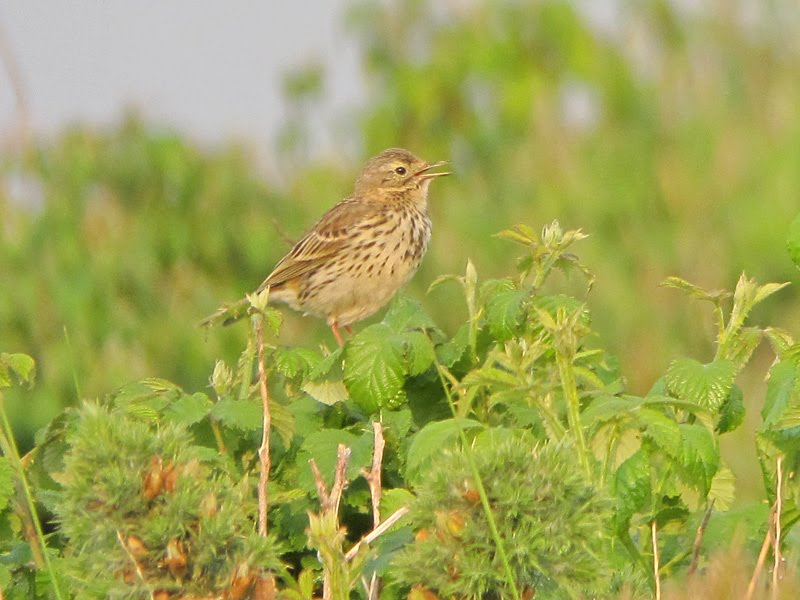
The Meadow Pipit:


Finally, on Sunday morning I gorged some more on the Tern-fest and observed a second first summer Mediterranean Gull which - bizarrely - was being followed about by a Sandwich Tern:


Everywhere the Gull went - so followed the Tern! The Goose in the foreground is of course the Brent Goose. I thought that - despite the lousy camera I'm stuck with for telescope work - it was rather novel to have a Mediterranean Gull, a Sandwich Tern and a Brent Goose in the same frame!

The only tragedy was that Sunday afternoon was off-limits for birding (went swimming!) - and a male Ruff in breeding plumage showed up on Ferry Pool!

So no real rarities, but a good few days and something I'd like to repeat now I've got a better lie of the land. Would be good to go back in the Autumn, as I read it's great for passage migrants at that time of year.
01 June 2010

How am I doing?

A look at my wishlist doesn't reveal much progress - despite a year list of 157. Since I last posted it I've been able to tick off House Martin, Tern (any) and Woodcock.

Barn Owl
Brambling
Common Scoter
Dipper
Firecrest
Glossy Ibis (must've gone to Ham Wall the only day they weren't there)
Grasshopper Warbler
Grey Partridge
Hen Harrier
Jack Snipe
Lesser Spotted Woodpecker
Little Owl
Merlin
Pied Flycatcher
Redpoll (never seen one. EVER)
Ring Ouzel (less said the better...)
Spotted Redshank (blown that until the winter)
Turtle Dove
Woodlark (blew it in Suffolk)
Yellow Wagtail

Two visits to Nagshead and not one Pied Flycatcher is frankly embarrassing. Everyone I meet there has seen one here and there. The people I went with on Sunday evening all saw one. Unbelievable. I need to find out which boxes they're in... although that wouldn't be as satisfactory as actually finding one myself!!!

The absence of Yellow Wagtails is just odd.

30 May 2010

Nightjars.

Took a trip to the Forest this evening.

First a stop at Nagshead to see Pied Flycatchers. Much to my continued chagrin, however, I failed to see one again. I don't know what the problem is; I did everything right with no reward. Still, the Spotted Flycatchers from the Lower Hide were an unexpected bonus.

Then to Boys Grave. Teeming with insects. As twilight set - from the viewpoint over the clearing - a calling Woodcock flew past left to right providing great views. The Nightjars were calling regularly by 2130, and one flew past (closer than the Woodcock) right to left. It was a male, and through binoculars the fading light allowed muddy views of its plumage.

At one point a bird landed on right of the three trees in the immediate foreground. I got my telescope on it and had a good view. Then I tried to take a photo by shoving my little camera up to the scope on a very high ISO setting. The results were lamentable.

29 May 2010

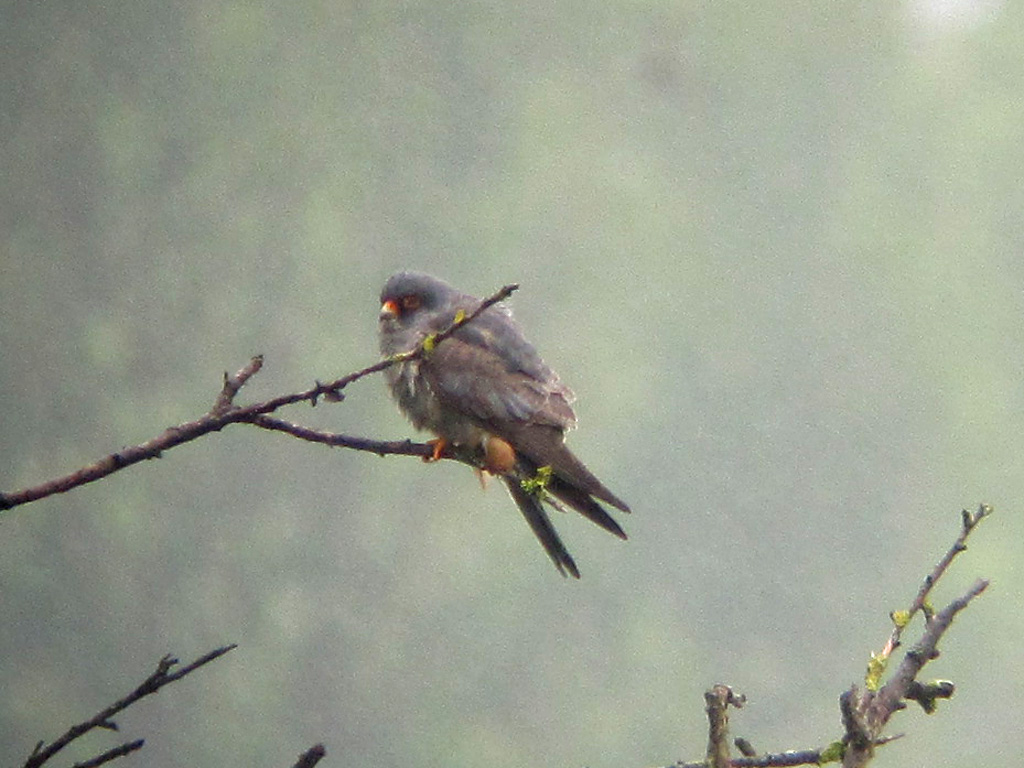
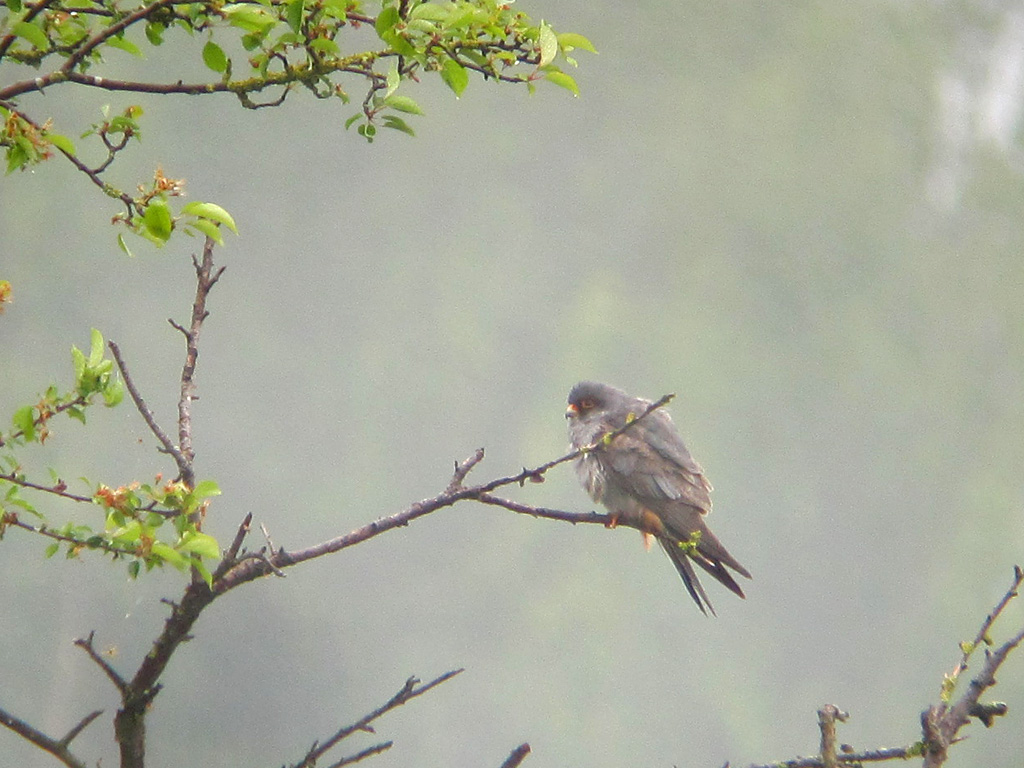
Red-footed Falcon.

Today I had a choice. Try for the 1st summer Red-footed Falcon at Wiltstone Reservoir in Hertfordshire, or the Little Bittern in Somerset. Despite driving into the rain, I chose the Falcon.

Good choice! The reservoir was teeming with Common Terns, Swifts, House Martins and Sand Martins - with three or four Hobbies hawking over the reedbeds. If it hadn't been raining one might've enjoyed the sight!

The Falcon was sat (for all the time I watched it) in a Hawthorn tree. I believe the spot was 'Cemetery Corner'. It had chosen an isolated branch. This made for great views. I got a couple of lousy record shots, but really it was all about enjoying a glorious bird.


On the way back I stopped in Aylesbury to watch a Red Kite appear to hunt over a housing estate!

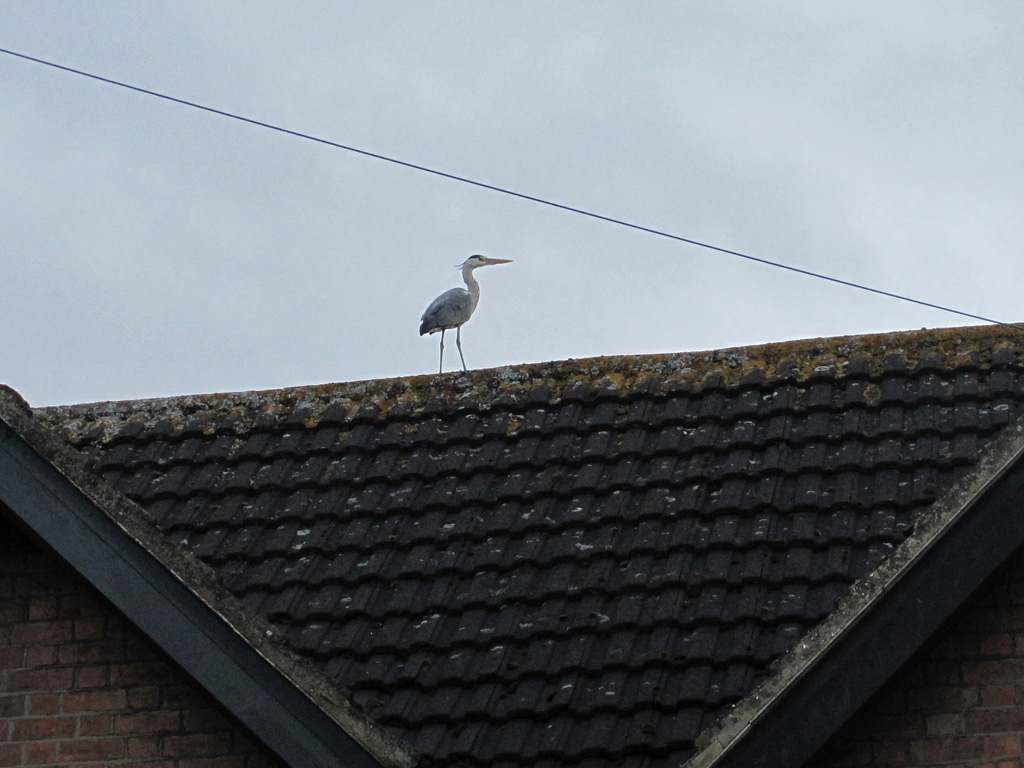
And as I turned onto my street at home, a Grey Heron landed on a roof. Behold:


I gather the Little Bittern wasn't seen all day. A shame, as that was going to Monday's target.

23 May 2010

Day with a Decent Camera.

On Saturday (22nd May) I had the use of a half-decent Canon SLR (a 40D) and Canon's 500mm f4 telephoto lens. Now, I know how to use the camera and lens, but lack experience... so whilst I had a ball, the photos are those of a learner!

(I make no apologies for this blog entry being more about playing with the camera and lens than the birds themselves.)

Saturday was host to glorious weather - so glorious infact, I had to give up by one o'clock for fear of heat exhaustion (lugging the lens about was hard work). So hot it was. Gave me a chance to watch the Championship play-off final anyway. So not all bad.

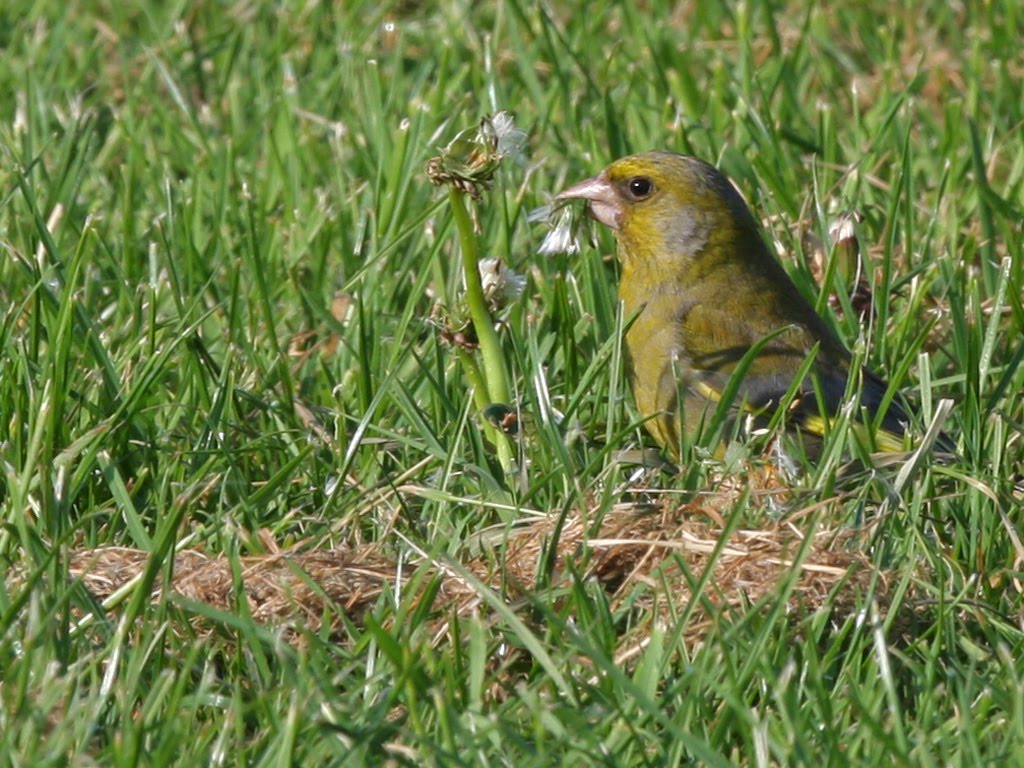
Early in the morning I went to the sailing lake in the hope of seeing a Hobby or two. Alas, none. Still, I had fun photographing some birds. Of the few reasonably successful efforts I include those of a House Sparrow and a Greenfinch.


Other birds about were some Linnets, Reed Buntings, Reed Warblers and lots of Black-headed Gulls. Just as I was about to leave, a pair of Common Terns landed on the Sailing Club jetty.


They represented a long overdue year tick, and seemed well bonded. After posing for photographs they flew off to fish on the lake - looking rather splendid with their tail feathers flowing behind them.

I stopped in Frampton itself to try and get a photo of a House Martin in flight. No real success - I'm not getting them sharp. More practice (if I ever get my hands on the equipment again!) and I'm sure I'd succeed. Here's my best effort.


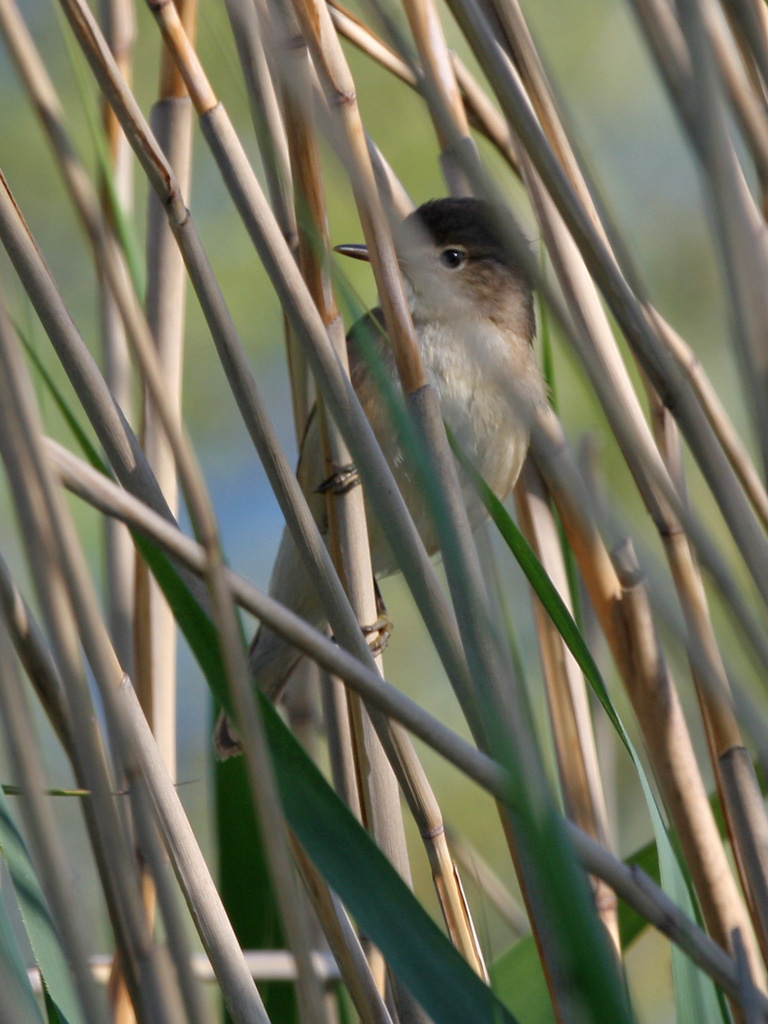
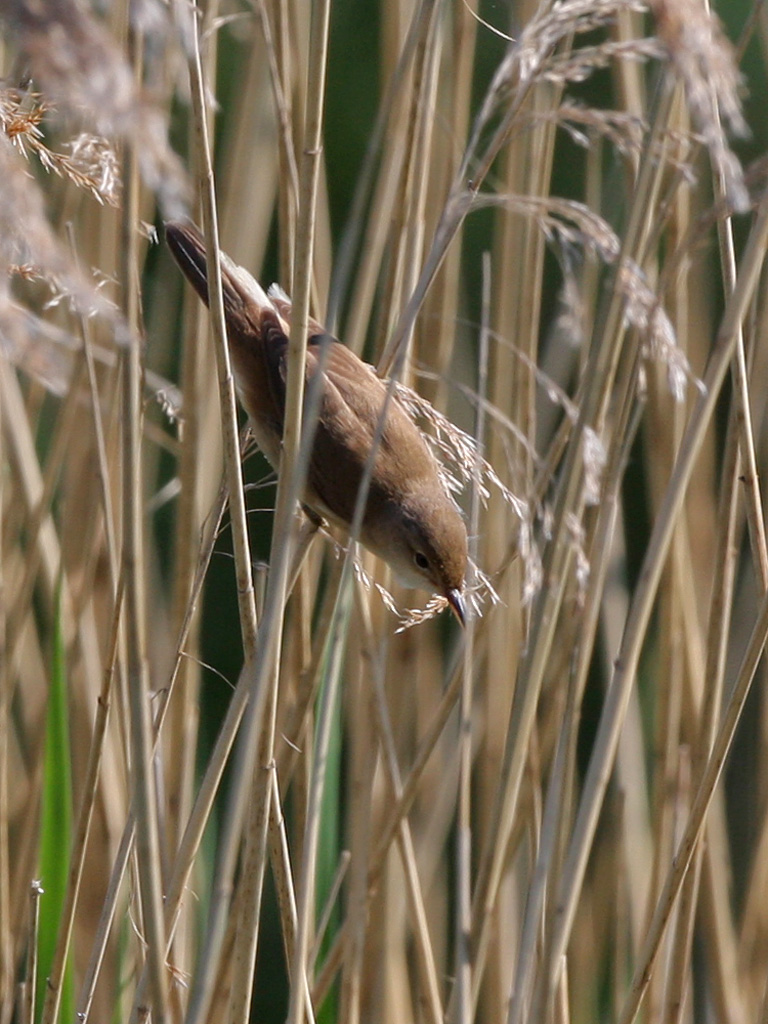
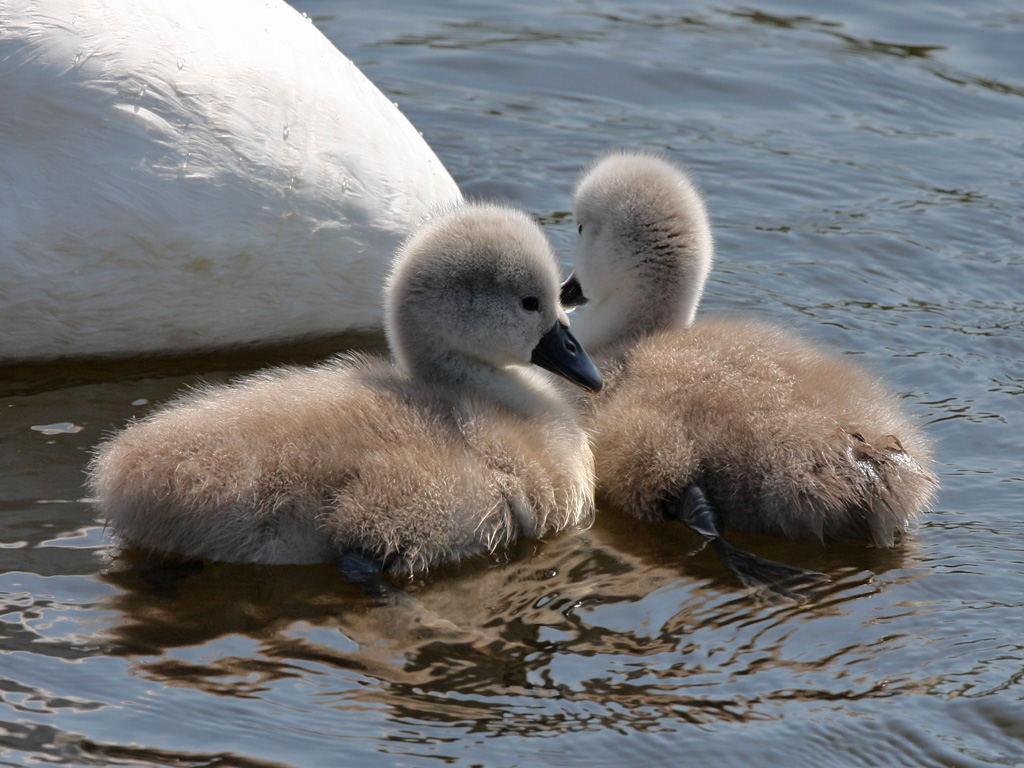
Next I moved onto Green Lane in the hope of photographing a Reed Warbler. I know I could go to Slimbridge and photograph the obliging birds there, but I wanted to get one 'in the wild'. Hard it be. Here are two of my best efforts, along with a poorly exposed shot of a Cygnet (camera facing into the light!). The Swan family was on the water immediately behind the first viewing platform.


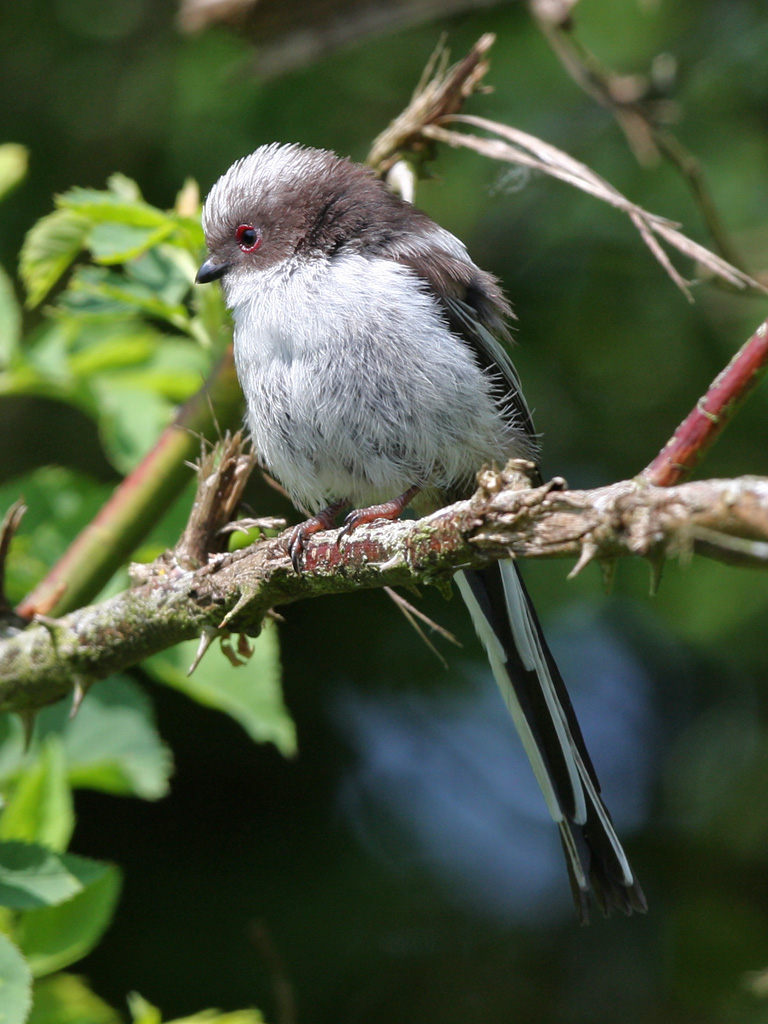
Further along Green Lane I ran into a bunch of Long-tailed Tits. Mostly youngsters.


To be honest, the Lane wasn't overflowing with interesting birds. Once out in the open - along the way to the gate and sharp left turn, I tried for a while to photograph an obliging Whitethroat in flight. No luck, alas. Even with a nice tripod and Wimberley head (as supplied), I struggled.

Finally, and best of all (back to a purely birdwatching perspective), on my way back to the car I stopped at the second Green Lane viewing platform - the old one. I don't usually, but boy am I glad I did. All week I'd been hearing about the Spoonbill present at Slimbridge, but expected it to be gone by the weekend. On Saturday morning a report popped up on birdguides advising that the bird had flown south shortly before 9.00am. I harboured no expectation of seeing it after that, but lo-and-behold it flew right past the viewing platform giving great binocular views (mobbed by gulls, oddly?).

Right place. Right time. A lifer.

I really enjoyed using a nice camera and lens, and the experience has prompted me to think about getting my own in due course. Perhaps not a giant 500mm lens, but something decent nonetheless.

The pure joy of birdwatching is best experienced with only a pair of binoculars and a telescope - one can feel under terrible pressure to get a photograph if you've got a camera with you - and this can detract from the observation itself (which is why I'm there). I think there's room for both, though.

13 May 2010

12th and 13th May. One year tick.

Short trips after work to Witcombe on the 12th (Wednesday) and Coombe Hill on the 13th (Thursday).

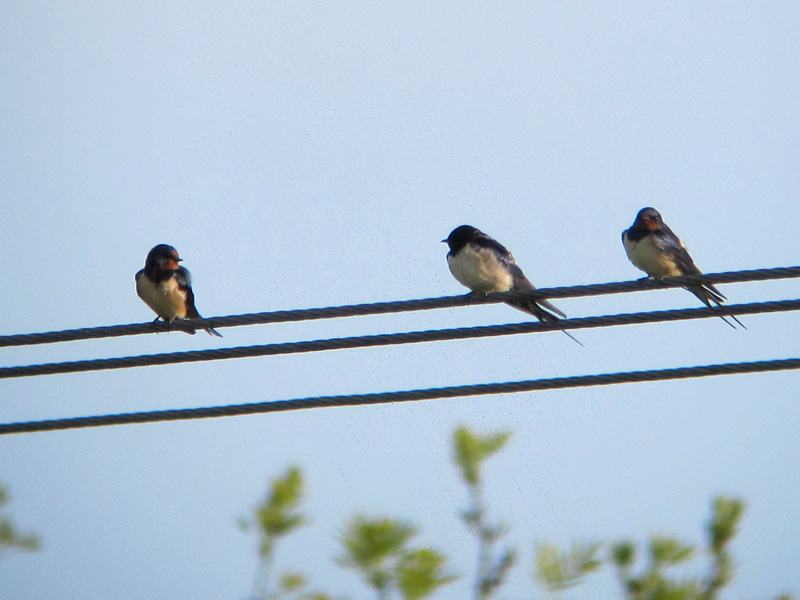
Nothing particularly interesting at Witcombe. Gulls and gulls and gulls! A sole Grey Wagtail (I'm still yet to see a Yellow Wagtail there). Some great low flying Swifts which I had no chance of photographing! So, I settled on some Swallows in classic perched on telephone wire pose:


This evening at Coombe Hill, however, I did a little better. Starting with a singing Garden Warbler (year tick #150) in the trees next to the car park. I caught a glimpse of it, and heard it singing a lot - a perfect match for the recording on my iPhone. Lovely.

Along the canal were bazillions of Goldfinch, a Whitethroat, two Lesser Whitethroats, Willow Warblers, Chiffchaffs, Chaffinches and a Great Spotted Woodpecker. The Woodpecker was clearly returning to a nest hole with food.

From the Grundon hide... pairs of stuff. Oystercatcher, Little Egret, Shelduck, Canada Geese, Skylark, Pied Wagtail, Mute Swan, Mallard, Lapwing. A Grey Heron, a calling Curlew very close to the hide and... well positioned in a distant tree to the left of the flashes... a calling Cuckoo. Lousy record shots of some of the above... below:


04 May 2010

To do list update.

What have I managed to get off my 'not yet seen this year' list, then? Well... Common Sandpiper, Lesser Whitethroat, Little Gull, Reed Warbler, Ringed Plover, Sedge Warbler, Wheatear and Whitethroat.

The still leaves me with a mighty list of misses:

Barn Owl
Brambling
Common Scoter
Dipper
Firecrest
Glossy Ibis (must've gone to Ham Wall the only day they weren't there)
Grasshopper Warbler
Grey Partridge
Hen Harrier
House Martin
Jack Snipe
Lesser Spotted Woodpecker
Little Owl
Merlin
Redpoll (never seen one. EVER)
Ring Ouzel (less said the better...)
Spotted Redshank (blown that until the winter)
Tern (any)
Woodcock
Woodlark (blew it in Suffolk)
Yellow Wagtail

To it I want to add Pied Flycatcher and Turtle Dove.

03 May 2010

Six Year Ticks.

I spent the morning high tide at the WWT's Middle Point 'Hide'*. Windy, but dry and productive.

*-I say hide, but the old van is next to useless as such... and pointless, as the birds just aren't fussed provided you stand within the area indicated. You can see bugger all from inside, anyway. It only has value if you happen to be caught in a heavy shower, and even then I'd be skeptical.

Firstly though, on the drive upto the reserve a Hobby flew infront of my car. I only saw it in silhouette, but the shape was clear. The first of six year ticks today.
Ran into two singing Lesser Whitethroats (what did I say about seeing them everywhere after breaking my duck!) along the summer walkway. Glimpsed one deep in the hedgerow.

Upon arrival, a couple of hours before high tide, there were lots of Dunlin (most in breeding plumage) and Ringed Plover (year tick #2) scuttling about in the middle distance along with five or six Bar-tailed Godwits and a few more Curlew.

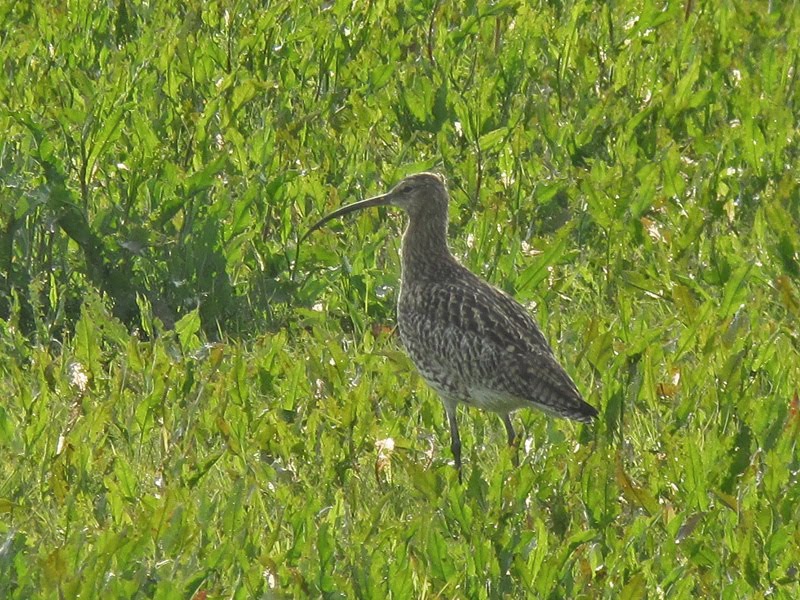
Time passed. A Little Egret flew in, a Meadow Pipit sang in flight and a Reed Bunting disappeared behind some vegetation. Two Whimbrels flew overhead calling; one would later land on the mud infront of the hide. A Sedge Warbler finally revealed itself in the reeds to the right of the hide after frustrating me with it's song for half an hour or so. Another remained elusive along with one or two Reed Warblers in the reeds immediately to the left of the hide. Gulls continued to push up river, but nothing unusual I don't think.

There was also a decent-sized fish stranded on the mud at about 10.30am. A juvenile Herring Gull spotted it and moved in. Fortunately for the fish, the Gull didn't seem to know how to tackle the situation. It pecked at the tail a number of times and recoiled each time the fish reacted. Presently the Gull gave up and perhaps the fish survived long enough to be rescued by the tide.

Once the tide began to advance one of the other birders present identified a Great Crested Grebe on the far side (on the river!), an Oystercatcher flew over it's head and - FINALLY - a sole Wheatear (year tick #3) perched on the fence posts to the left of the hide giving nice views. A couple of Swallows passed through, then three Swifts flying low (year tick #4).

The most interesting sighting of the morning was made by the same person who spotted the Grebe - clearly an experienced birder. In the far distance, flying down river, was an immature Kittiwake (year tick #5)! I can add it to my list because although I failed to see the wing markings myself, I did get my bins on it briefly. So I did see it!
At 12.20ish, showers were closing in and I headed back to the main reserve. I didn't bother with any other hides, except to stop just after passing through the Holden Tower to add Reed Warbler (tick #6) to my year list.

That makes for 149 birds so far this year; two more than last. The Kittiwake was the 148th, and the one to take me past last years total.

I stopped off at the 100-Acre where three more Lesser Whitethroats crossed my path (half decent views of two - one in flight)!!! Not a great deal there, although to be fair I didn't stay long enough to earn any luck... but other birds spotted included a nice male Linnet, a pair of Goldfinches, three Redshank, many Reed and Sedge Warblers, Swifts high up and a lone male Wigeon. There was also a very, very mouthy Chiffchaff:


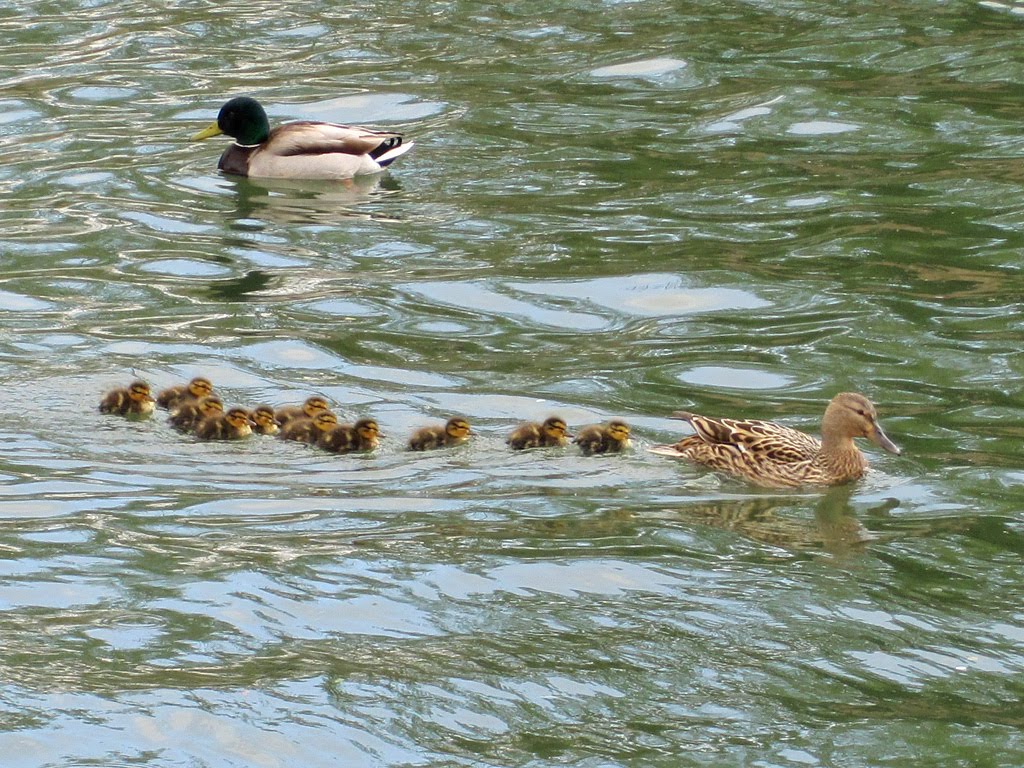
And on the canal, a cute family of Mallards:


The best bird at the 100-Acre however, was a nice female Whinchat along Green Lane to complement the male I'd seen last Saturday.

Finally, I have started a Balloon List:

1) Blue
2) White

The balloons were drifting down river at some considerable elevation in a tight teardrop formation, and showing well in the sunshine. I was unable to confirm the age or sex of the balloons. I am looking forward to seeing more balloons soon.